In today’s fast-paced world, getting a good night’s sleep can often feel like a luxury rather than a necessity. Many people turn to sleeping pills to combat insomnia and other sleep-related issues, but this quick fix can lead to dependency and mask underlying problems. Fortunately, there are natural and effective strategies to improve sleep quality without resorting to medication.
By understanding the science of sleep and making small adjustments to our routines and environments, we can enhance our ability to fall asleep and stay asleep, leading to better health and increased productivity. This article will guide you through a range of methods to optimize your sleep naturally.
1. Understanding the Importance of Sleep Hygiene
Sleep hygiene refers to a set of practices and habits that are conducive to sleeping well on a regular basis. It involves creating an environment and daily routine that promotes consistent, uninterrupted sleep. According to the National Sleep Foundation, adults need between 7 to 9 hours of sleep per night, but the quality of sleep is just as important as the quantity. Poor sleep hygiene can result in sleep disturbances and daytime sleepiness.
To improve sleep hygiene, it is crucial to establish a regular sleep schedule, create a calming bedtime routine, and make your bedroom conducive to sleep. Avoiding caffeine and electronic devices before bed are key components. By maintaining good sleep hygiene, you can enhance your body’s natural sleep-wake cycle, leading to more restorative sleep.
2. Creating a Consistent Sleep Schedule
One of the simplest yet most effective ways to improve sleep is by sticking to a consistent sleep schedule. Going to bed and waking up at the same time every day, even on weekends, helps regulate your body’s internal clock, known as the circadian rhythm. A regular sleep schedule can improve the quality of your sleep and help you fall asleep faster.
To create a consistent sleep schedule, choose a bedtime and wake-up time that allows for 7 to 9 hours of sleep. It may take a few weeks for your body to adjust, but consistency is key. If you find yourself struggling to fall asleep at your designated time, engage in a relaxing pre-sleep activity, such as reading or taking a warm bath.
3. Designing a Sleep-Friendly Environment
Your sleep environment plays a crucial role in how well you sleep. A dark, cool, and quiet bedroom is ideal for promoting sleep. Light exposure can interfere with your body’s production of melatonin, the hormone that regulates sleep, so consider using blackout curtains or an eye mask to block out light.
Temperature is another important factor. The ideal bedroom temperature for sleep is between 60 to 67 degrees Fahrenheit (15 to 19 degrees Celsius). Additionally, invest in a comfortable mattress and pillows, and ensure your bedroom is free of noise. White noise machines or earplugs can help mask disruptive sounds.
4. The Role of Diet and Hydration in Sleep Quality
What you eat and drink can significantly affect your sleep quality. Consuming large meals, caffeine, and alcohol close to bedtime can disrupt your sleep. It’s best to avoid caffeine at least 6 hours before bedtime, as its effects can linger in your system.
Instead, opt for a light snack if you’re hungry before bed. Foods rich in tryptophan, magnesium, or melatonin, such as turkey, almonds, and cherries, can promote sleep. Hydration is also important, but try to limit fluid intake in the evening to reduce the likelihood of waking for bathroom trips.
5. Timing Your Naps for Maximum Benefit
Napping can be a great way to recharge during the day, but timing and duration are crucial. Short naps of 20 to 30 minutes can improve alertness and performance without leaving you feeling groggy. Longer naps can lead to sleep inertia and interfere with nighttime sleep.
To avoid disrupting your circadian rhythm, try to nap before 3 p.m. If you find yourself needing to nap frequently, it may be a sign that you’re not getting enough sleep at night. Adjusting your nighttime sleep habits may be necessary to ensure you’re well-rested.
6. Rethinking the Warm Milk Myth
The idea that drinking warm milk before bed promotes sleep has been around for generations. While milk contains tryptophan, an amino acid that can aid sleep, the effect is minimal unless combined with carbohydrates.
Instead of relying solely on warm milk, consider a small bedtime snack that combines carbohydrates and protein, such as a banana with peanut butter or a small bowl of cereal with milk. This combination can increase tryptophan uptake in the brain and promote better sleep.
7. Managing Light Exposure for Better Sleep
Exposure to natural light during the day helps maintain a healthy sleep-wake cycle. Aim to spend at least 30 minutes outside in natural light each day. If this isn’t possible, consider using a light therapy box.
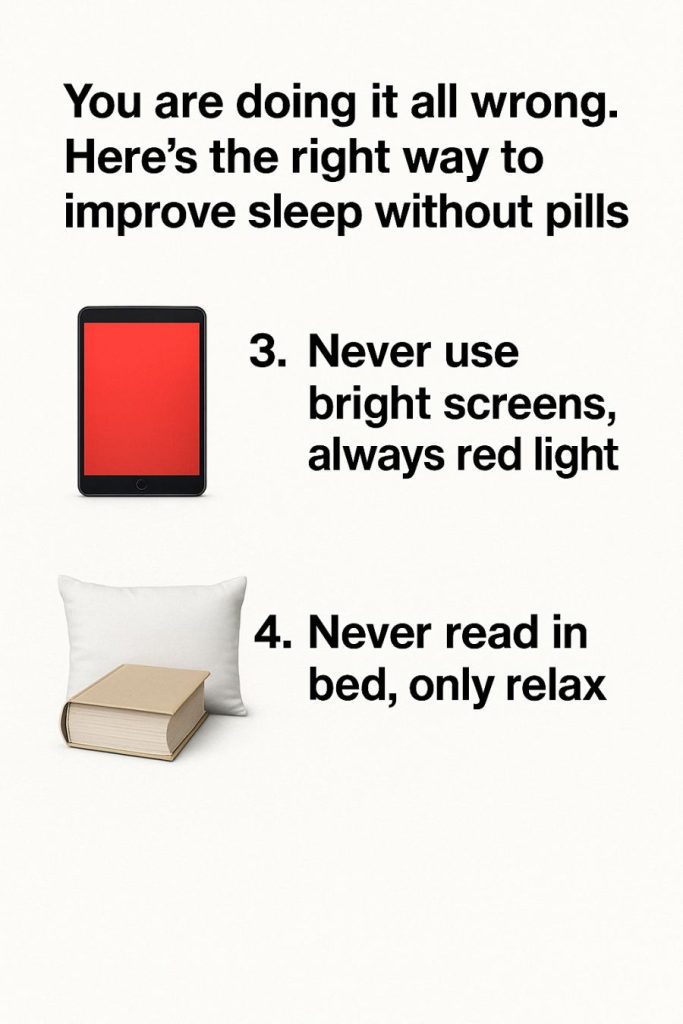
In the evening, reduce your exposure to bright lights, especially blue light from screens. Blue light can suppress melatonin production and delay sleep. Consider using blue light blocking glasses or apps that reduce blue light emissions from devices. Dim the lights in your home as you approach bedtime to signal to your body that it’s time to wind down.
8. The Impact of Technology on Sleep
The use of electronic devices before bed can significantly impact sleep quality. The blue light emitted by smartphones, tablets, and computers interferes with melatonin production, making it harder to fall asleep.
To minimize the impact of technology on sleep, establish a tech-free zone in your bedroom and avoid screens at least an hour before bed. Instead, engage in relaxing activities such as reading a book or listening to soothing music. Consider setting a digital curfew to help break the habit of late-night screen time.
9. The Art of Relaxation: What to Do Before Bed
Creating a relaxing pre-sleep routine can help signal to your body that it’s time to wind down. Activities such as gentle stretching, meditation, or deep breathing exercises can calm your mind and prepare you for sleep.
Avoid stimulating activities before bed, such as intense exercise or consuming exciting media content. Instead, focus on calming activities that you find enjoyable and relaxing. Consistent practice of a relaxing bedtime routine can improve your sleep quality over time.
10. The Power of Regular Physical Activity
Engaging in regular physical activity can improve sleep quality and help you fall asleep faster. Exercise increases the amount of deep sleep you get and can help reduce stress and anxiety that may interfere with sleep.
Aim for at least 150 minutes of moderate aerobic activity or 75 minutes of vigorous activity each week. However, avoid vigorous exercise close to bedtime, as it can have the opposite effect and make it harder to fall asleep. Instead, schedule workouts earlier in the day to maximize their sleep-promoting benefits.
11. Exploring Mindfulness and Meditation Techniques
Mindfulness and meditation practices can help reduce stress and promote relaxation, making it easier to fall asleep. Techniques such as progressive muscle relaxation, guided imagery, and mindfulness meditation can calm the mind and prepare the body for sleep.
Try setting aside a few minutes each day to practice mindfulness or meditation. Apps and online resources can provide guided sessions to help you get started. With regular practice, these techniques can become powerful tools in your sleep improvement arsenal, helping you achieve a more restful and restorative night’s sleep.