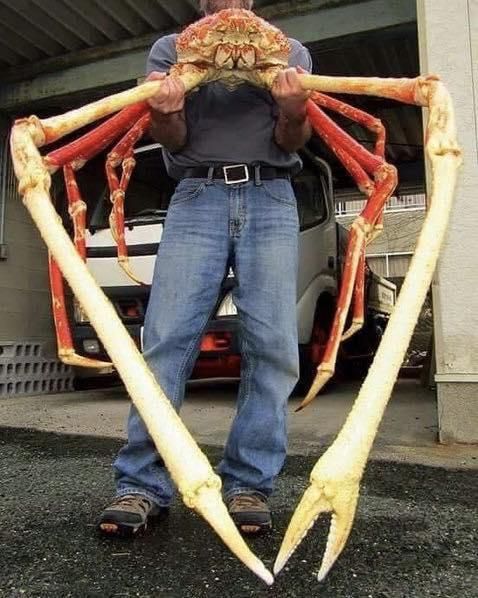
The Japanese Spider Crab: A Marvel of the Deep
When we think of the ocean’s most extraordinary creatures, we often imagine creatures like dolphins, whales, or sharks. However, one of the most remarkable creatures that inhabit the depths of the ocean is the Japanese spider crab, known for its awe-inspiring size and unique characteristics. This marine arthropod, with its vast leg span, is a fascinating example of nature’s wonders, earning its title as the largest living arthropod in the world.
Introduction: A Creature of the Deep
The Japanese spider crab (scientifically named Macrocheira kaempferi) is a marine crab that is native to the coastal waters off Japan. Its most remarkable feature is its enormous leg span, which can reach up to 5.5 meters (about 18 feet) from claw to claw. This crab is not only an impressive sight to behold but also a vital part of the ocean’s ecosystem.
The Japanese spider crab, despite its intimidating size, is generally peaceful and is not a threat to humans. Yet, its size alone makes it an awe-inspiring creature, and it is often a subject of fascination for marine biologists and enthusiasts alike.
Physical Characteristics: A Creature of Unbelievable Size
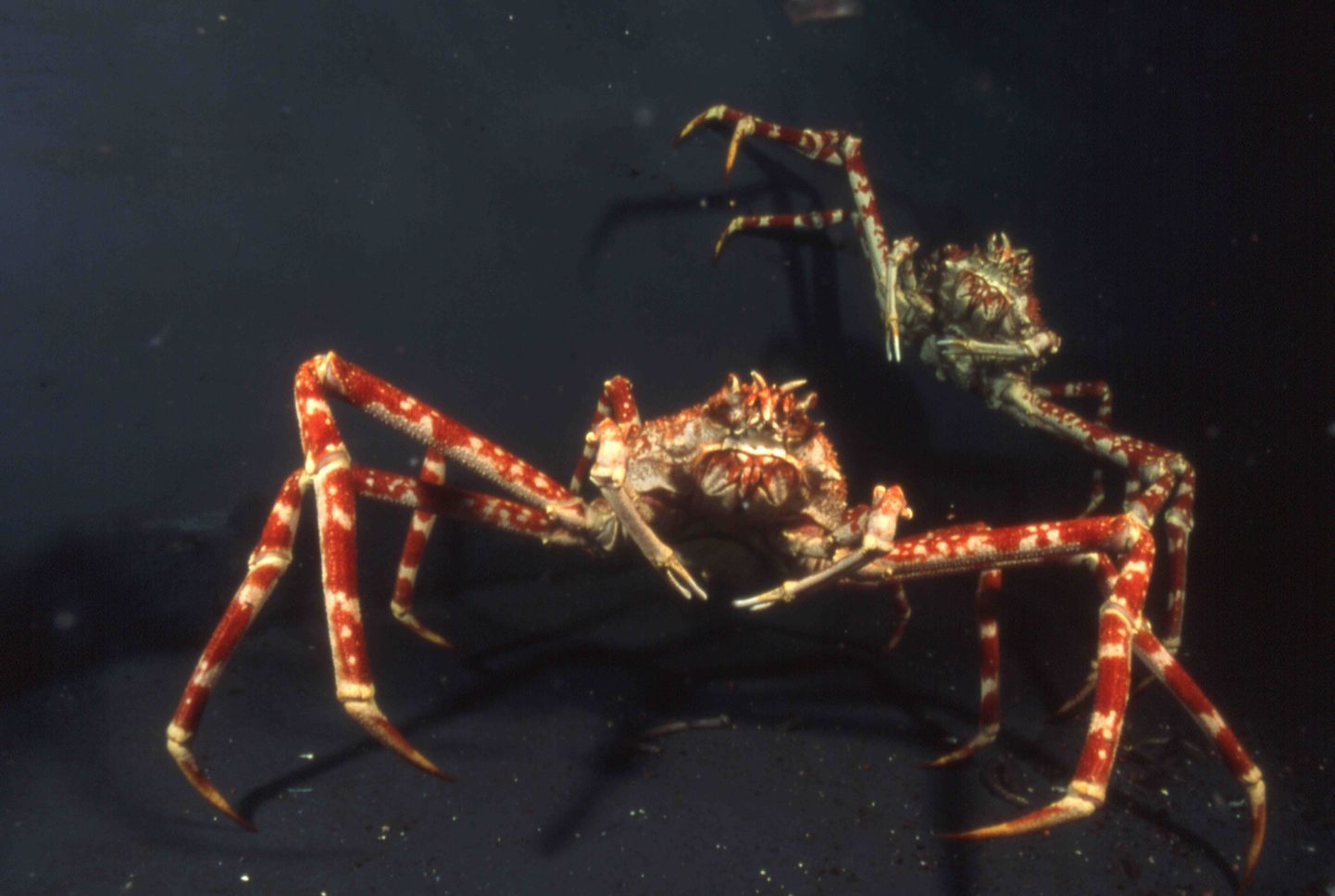
The first thing that captures the attention of anyone who encounters the Japanese spider crab is its size. With a body length of around 40 centimeters (16 inches) and a leg span that can stretch up to 5.5 meters (18 feet), it is the largest arthropod in the world. Its legs, resembling the legs of a spider, are long and spindly, giving it an eerie, almost prehistoric look. The crab’s body is covered in a rough, spiny exoskeleton, which provides protection from predators.
The Japanese spider crab’s massive size is a result of the long lifespan it enjoys. These crabs can live for up to 100 years, which is rare for marine arthropods. During their lifetime, they molt several times, growing larger each time. The process of molting allows the crab to shed its old exoskeleton and grow into a larger one, a feature common to many arthropods, but the Japanese spider crab takes it to an extreme, growing to its immense proportions over time.
Habitat and Distribution: A Dweller of the Deep
Japanese spider crabs are primarily found in the waters off Japan, particularly around the coast of the Izu Islands, Suruga Bay, and the Noto Peninsula. They thrive in deep oceanic waters, typically between 50 and 600 meters below the surface. The habitat of these crabs is essential to their survival as they rely on the cooler temperatures and darker environments found at these depths.
These crabs are often found in rocky, muddy, or sandy ocean floors, where they can find shelter and food. Their habitat is crucial for the survival of the species because it offers them safety from predators and the right conditions for molting and hunting. Although the Japanese spider crab has an impressive leg span, it is relatively slow-moving, which makes it more vulnerable to certain predators in the wild
Diet and Feeding Habits: Scavengers of the Sea
Despite their frightening appearance, Japanese spider crabs are scavengers, feeding on dead fish, mollusks, and other organic material that they find on the ocean floor. Their diet consists of whatever they can scavenge from the sea floor, making them important members of the ecosystem. By feeding on decomposing material, they help in the process of cleaning the ocean floor, removing waste, and contributing to the health of the marine environment.

Japanese spider crabs have specialized pincers that allow them to grasp and break down their food, making them efficient feeders. Their ability to feed on a variety of organic materials allows them to adapt to different environments and survive in the harsh conditions of the deep sea.
Behavior and Interaction with Humans: A Gentle Giant
One of the most intriguing aspects of the Japanese spider crab is its peaceful nature. Despite its intimidating appearance, it is not aggressive toward humans and poses no threat to people. These crabs are known to be relatively shy and solitary, preferring to stay hidden in the rocky crevices of the ocean floor or bury themselves in the sand. They are not territorial and do not engage in hostile behavior with other animals unless they feel threatened.
The Japanese spider crab is not typically found in shallow waters or near the coast, making it unlikely to encounter one while swimming or diving in the ocean. However, they are sometimes spotted in deep-sea exploration and underwater photography, where they have become a subject of fascination. In Japan, the Japanese spider crab is sometimes kept in aquariums, where visitors can observe them up close.
Conservation Status: A Species Under Threat
The Japanese spider crab is not considered an endangered species, but it faces several threats to its population. The primary threat comes from overfishing, as these crabs are sometimes caught for food or for display in aquariums. The deep-sea habitats in which they live are also at risk due to human activities, such as deep-sea fishing, pollution, and habitat destruction. These activities disrupt the delicate balance of marine ecosystems, which could affect the survival of species like the Japanese spider crab.
In recent years, there have been efforts to protect the Japanese spider crab and other deep-sea species. Conservation programs and marine protected areas (MPAs) have been established to safeguard the habitat of these crabs, and there are regulations in place to prevent overfishing of the species. These initiatives are vital in ensuring the continued survival of the Japanese spider crab and other creatures of the deep.
Cultural Significance: The Japanese Spider Crab in Japanese Folklore
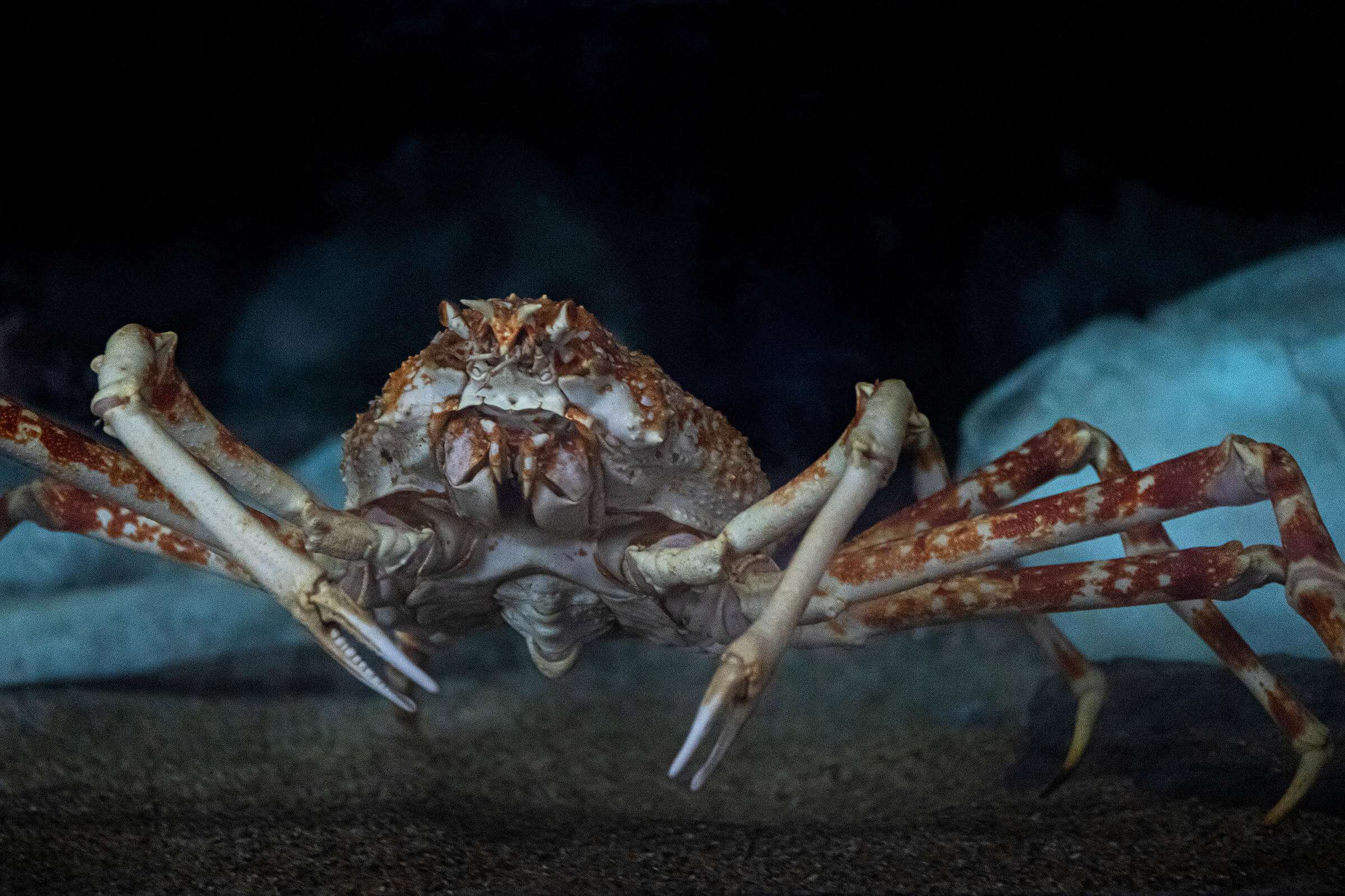
The Japanese spider crab is not only a biological marvel but also holds cultural significance in Japan. In Japanese folklore, the creature is sometimes associated with myths and stories of transformation. Its eerie appearance and giant size have made it a symbol of the mystery and power of the ocean, and it is often depicted in traditional art and literature.
In Japanese culture, crabs are seen as symbols of hard work and perseverance, as they are known for their ability to scavenge and survive in difficult conditions. The Japanese spider crab, with its long lifespan and ability to thrive in the harsh depths of the ocean, embodies these values. It is also a popular subject in Japanese seafood cuisine, where its meat is considered a delicacy.
The Fascination of the Japanese Spider Crab
The Japanese spider crab’s enormous size and unique characteristics make it a fascinating creature to study. Marine biologists and oceanographers are continually fascinated by the mysteries of the deep ocean and the creatures that inhabit it. The Japanese spider crab is a reminder of the vast diversity of life beneath the ocean’s surface, where creatures like this thrive in the most unlikely of places.
The crab’s ability to adapt to its environment, its long lifespan, and its peaceful nature make it a symbol of resilience and survival. Despite its terrifying appearance, it is a gentle giant, contributing to the health of its ecosystem and inspiring awe in those lucky enough to witness it.
Conclusion: A Creature of Wonder
The Japanese spider crab is a creature that defies expectations and challenges our understanding of marine life. With its massive leg span, peaceful demeanor, and fascinating life cycle, it has become one of the ocean’s most captivating and enigmatic creatures. It serves as a reminder of the wonders of the deep sea and the incredible creatures that call it home.
While it may not be the most famous or widely known of marine creatures, the Japanese spider crab is undoubtedly one of the most unique. As we continue to explore the mysteries of the ocean, we can only hope to uncover more about this fascinating creature and the secrets of the deep that it represents.